June 23, 2026
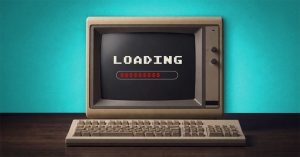 Most organizations treat aging technology the same way people treat something that is inconvenient but still technically functional.
It still works, so replacing it never feels urgent.
A computer takes longer to start up.
An application freezes occasionally.
Email runs slower than it should.
Employees restart systems more often than they used to.
None of it feels catastrophic on its own, so operations continue and the issues gradually become normalized.
But operational inefficiency compounds over time.
And eventually, outdated technology starts creating measurable business cost every single month.
Aging Systems Rarely Stay “Good Enough”
Holding onto older systems often feels financially responsible in the short term.
If the equipment is still functioning, replacing it can appear unnecessary.
The problem is that aging technology does not remain cost-neutral.
Over time, it creates hidden operational and financial drag across the business.
Increased operational costs
Older systems require more energy to perform less efficiently.
They generate more heat, consume more power, and place additional strain on infrastructure, especially during the summer months when cooling demands increase.
Modern business systems are significantly more efficient, both operationally and financially.
Lower energy usage, better performance, and improved reliability reduce long-term operating costs while supporting greater productivity.
Productivity erosion
Operational slowdowns rarely happen all at once.
They appear gradually through:
- Delayed system response times
- Slower file access
- Lagging applications
- Longer startup and processing times
- Repeated retries and refreshes
Work still gets completed, but tasks take longer than they should.
Over time, those delays compound into lost productivity across the organization.
Continuous operational interruptions
As systems age further, interruptions become routine.
Devices freeze unexpectedly.
Connections fail intermittently.
Temporary workarounds become part of normal operations.
Employees begin adapting around unreliable technology instead of relying on it confidently.
Even brief interruptions create larger downstream effects by breaking focus, slowing workflows, and reducing operational momentum throughout the day.
When organizations step back and evaluate the full picture, the real cost becomes much larger than the original hardware investment.
What Operational Efficiency Actually Looks Like
When outdated systems are addressed strategically, the difference becomes noticeable almost immediately.
Operational environments become more stable, predictable, and efficient.
That often looks like:
- Systems functioning consistently without repeated retries or delays
- Employees spending more time executing work instead of troubleshooting interruptions
- Reduced downtime and fewer workflow disruptions
- Lower operational strain from aging infrastructure
- Improved performance across business-critical applications
- Reduced long-term costs tied to inefficiency and reactive maintenance
The result is not simply “faster technology.”
It is improved operational continuity.
Teams remain focused.
Workflows move more efficiently.
Leadership spends less time reacting to preventable operational friction.
If Employees Are Working Around Technology, The Business Is Already Paying For The Problem
Many organizations delay modernization because the disruption of replacement feels more visible than the ongoing cost of inefficiency.
But if employees have already adapted to unreliable systems, the business is already absorbing the operational expense every day through:
- Lost productivity
- Increased downtime
- Employee frustration
- Operational inefficiency
- Higher support overhead
- Greater cyber and operational risk exposure
And unlike a planned modernization strategy, those costs continue indefinitely.
Technology Decisions Should Support Operational Resilience, Not Just Short-Term Savings
The goal is not replacing technology for the sake of replacing it.
The goal is identifying where outdated systems are actively increasing operational risk, inefficiency, and long-term cost exposure.
That includes:
- Identifying systems creating operational drag
- Prioritizing upgrades strategically instead of reactively
- Aligning technology investments with business continuity and operational goals
- Reducing unnecessary complexity and inefficiency
- Implementing structured lifecycle planning instead of waiting for failure events
Most importantly, modernization should happen in a controlled and intentional way that minimizes disruption to the business.
Organizations should not have to choose between operational continuity and infrastructure improvement.
If your environment is slowing operations down, creating recurring interruptions, or forcing employees to work around unreliable systems, the business is already paying the price whether it is visible on paper or not.
Let’s schedule a 10-minute discovery call to evaluate where aging technology may be creating unnecessary operational and financial exposure and identify which improvements would deliver the greatest immediate business impact.